Fire Ant Mounds in an East Texas Yard: Why You Treat the Colony, Not the Mound
That pile of loose dirt is the visible tip of something much bigger, and poking it is the fastest way to get stung.
October 8, 2026 · 4 min read
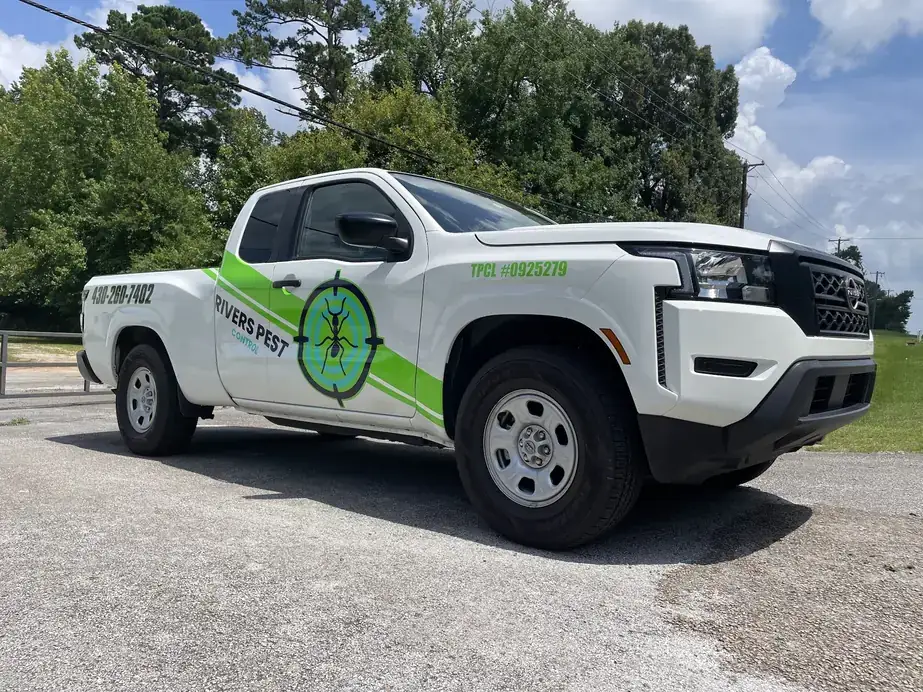
Every East Texas homeowner has done it at least once. You spot a fire ant mound near the mailbox, give it a hard kick, and then spend the next five minutes slapping your ankles. A few weeks later the mound is back, or three new ones have shown up at the edge of the driveway. It feels like the ants are winning, and in a way they are, because the mound was never the problem.
What a mound really is
A fire ant mound is the part of the nest that pushes above ground. The real colony runs well below it, with tunnels, brood chambers and a lot of workers. A mature colony can number in the tens of thousands, and some colonies have more than one queen. When the weather is dry the mound can nearly vanish while the ants work deeper, and after rain they push fresh dirt up in a matter of hours.
That's why mounds seem to appear overnight after a storm. Nothing new arrived. The colony that was already there pushed up soil to get above the wet ground. East Texas clay and sandy soil both hold that loose, crumbly pile well, so you'll see mounds in lawns, flower beds, along slab edges and next to the AC unit.
Why kicking and drenching backfire
Kicking a mound doesn't hurt the colony. It wakes up the workers, who swarm out and sting whatever is nearby. The queen and the brood go deeper, and the ants rebuild or relocate. You've made the problem more painful without making it smaller.
Pouring water, soapy water or boiling water on a mound has a similar result. Fire ants are known for surviving floods by linking together into floating rafts, so a bucket of water is a minor inconvenience to them. Often the colony just moves a few feet and starts a new mound, and now you have two. Please don't pour gasoline on a mound either. It's a fire hazard, it contaminates your soil, and it doesn't reliably reach the queen.
What treating the colony means
Real control is about reaching the queen and the brood, not just the workers on top. In general there are two approaches. Bait is carried by foraging workers back into the nest, where it's shared with the colony. Individual mound treatments are applied directly to a mound so the product travels down into the tunnels. Which method fits depends on the season, the size of the yard and how many mounds are active.
Either way, the point is to deal with the whole yard and not one mound at a time. If you only deal with the biggest mound, the smaller colonies keep spreading, and a new neighbor's mound will happily take over the space. Walking the full property and finding every active mound is where a professional visit earns its keep.
Where to look first
- Sunny lawn areas and the edge of flower beds.
- The seam where the driveway or sidewalk meets the grass.
- Next to the slab, the AC pad and the meter box.
- Around play areas, pet runs and the base of trees.
- Wet spots near downspouts and sprinkler heads.
Pay extra attention to the places your kids and pets actually spend time. A mound next to a swing set matters more than one in the far corner of the back lot.
Stings and safety
Fire ant stings burn, then raise small white pustules a day later. Most people recover with basic first aid, but some are allergic. If someone has trouble breathing, swelling beyond the sting site or dizziness after being stung, call 911. For pets, watch for heavy swelling or a dog that won't stop chewing at its paws and legs, and call your vet if it looks serious.
After a treatment, leave the mounds alone for as long as the technician tells you to. Raking them flat or scooping them out too soon just scatters the ants and can undo the work.
What Rivers Pest Control offers
Fire Ant Service is one of the five core services Rivers Pest Control lists on its shop window, next to quarterly pest control, termite protection, rodent service and mosquito control. A Google reviewer named Trevor Hastings wrote, “Very effective for both insects and fire ants!” and called the communication wonderful too.
New mounds can still show up after storms, so many homeowners fold yard checks into their regular visits. If you have mounds right now, put the shovel and the kettle down. Call or text (430) 260-7402, or come by the office at 407 S Main St, Suite 6, in Lindale.
Rivers Pest Control, (430) 260-7402
Call (430) 260-7402More articles
What a Quarterly Pest Control Visit Actually Covers at Your Home
Four visits a year sounds simple, so here is what the technician does, room by room and wall by wall.
Why East Texas Heat Sends Ants and Roaches Indoors in Late Summer
When the yard dries out, your kitchen starts looking like the best water source for a quarter mile.